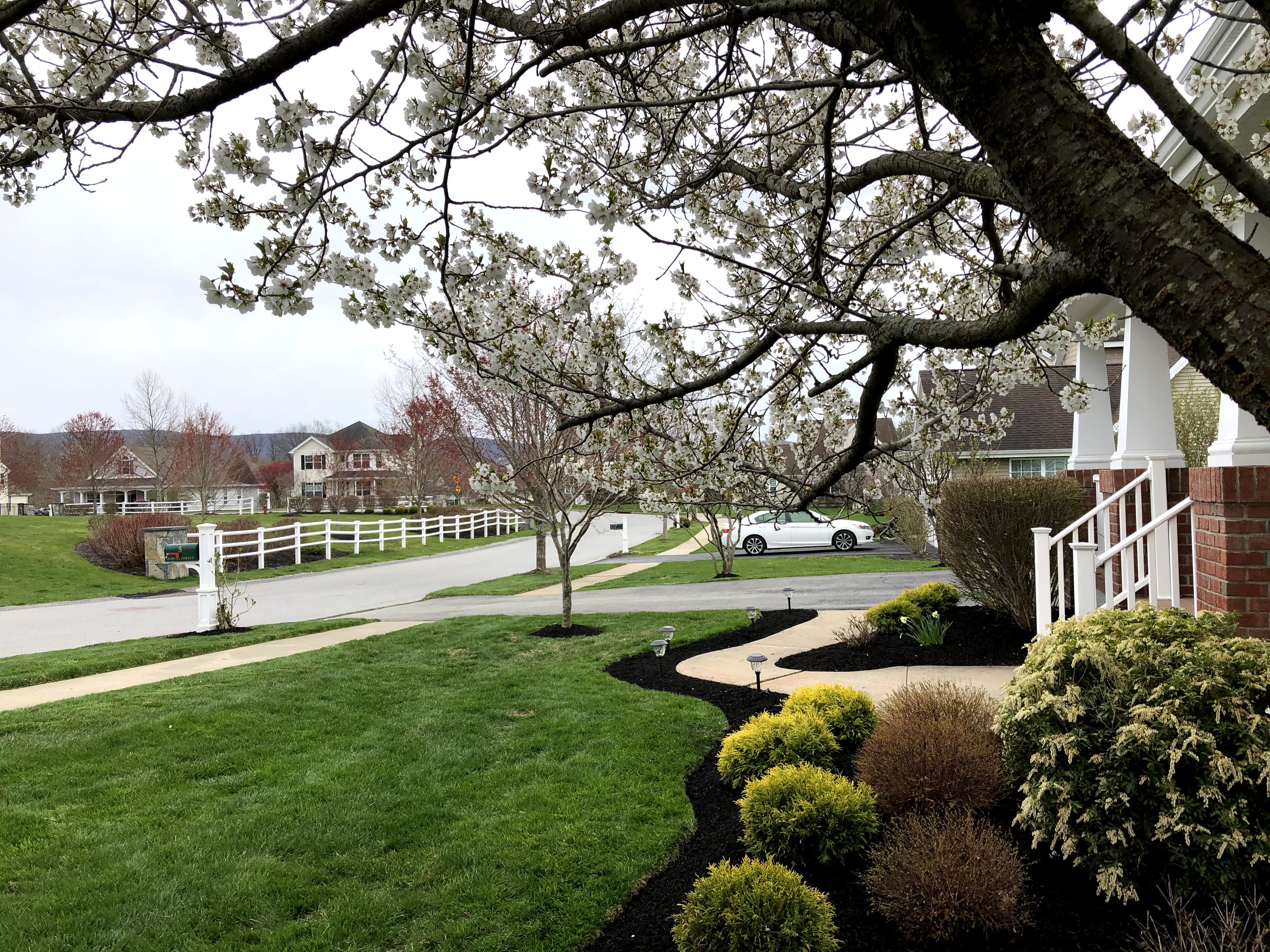
Designing Drought-Resistant Gardens: Expert Tips from Zaldivar’s Lawn Care Feb 26, 2026
The first step in creating a drought-resistant garden is selecting the right plants. Opt for native plants and drought-tolerant species that are well suited to your local climate. These plants have adapted to thrive in low-water environments and often require less maintenance. Consider incorporating succulents, lavender, and ornamental grasses, which are not only hardy but bring texture and color to your landscape.
In addition to plant selection, grouping plants with similar water needs is crucial. This technique, known as hydrozoning, helps in efficient water use by ensuring that each plant receives the appropriate amount of moisture. When plants with similar hydration needs are placed together, irrigation systems can be better optimized, reducing overall water consumption.
The choice of soil and ground cover plays a significant role in water conservation. Improving soil with organic matter such as compost helps retain moisture and nutrients. Incorporating mulch around plants can further minimize water evaporation, suppress weeds, and keep the soil cool. Mulching is an effective method to maintain soil health and reduce the frequency of watering.
Efficient irrigation practices are essential for maintaining a drought-resistant garden. Drip irrigation systems and soaker hoses are excellent options as they deliver water directly to plant roots, minimizing loss through evaporation. Setting up an automated timer can also ensure your garden receives water at the optimal times, especially during early morning or late evening when evaporation rates are lower.
Design elements also contribute to water-efficient landscaping. Consider incorporating hardscaping features such as stone pathways, patios, or gravel beds. Not only do these elements add structure and aesthetics to your garden, but they also reduce the areas that need watering, contributing to overall water conservation efforts.
Another effective strategy is implementing rainwater harvesting systems. Collecting and storing rainwater in barrels provides a sustainable water source for your garden, lessening dependence on municipal supplies. This method is both eco-friendly and cost-effective, making it a popular choice for environmentally conscious homeowners.
To add biodiversity and attract beneficial wildlife, integrate features such as birdbaths or insect hotels. These can enhance your garden’s ecosystem with minimal water usage. By fostering a healthy biosphere, you can encourage natural pest control and pollination, leading to a more vibrant and resilient garden.
In conclusion, designing a drought-resistant garden requires thoughtful planning and strategic choices in plant selection, irrigation, and hardscaping. By implementing these expert tips from Zaldivar’s Lawn Care INC, you can create an attractive and sustainable outdoor space that not only conserves water but also enhances the appeal of your home. Embrace the principles of xeriscaping and watch your garden thrive even in the driest of conditions, reflecting the perfect balance between nature and innovation.
/filters:no_upscale()/filters:format(webp)/media/ddf3e504-5354-4cb2-8cff-372dc5daeb42.jpeg)
/filters:no_upscale()/filters:format(webp)/media/8236b723-fba9-48cc-ad18-2217a439d308.jpeg)